COMMENCE THE SAVINGS.
The other day while working in the garden, Jesse made a curious discovery….FRUIT on our potatoes! Little green fruit growing above ground! After doing a bit of research, we learned that this is the seed of the potato plant. Since potatoes are generally planted by using….more potatoes….we sort of just assumed that potatoes just come from potatoes that came from other potatoes, and so on. But no! You can start them from seed! So of course we are completely obsessed with this idea and currently have a cup of bubbling, fermenting seeds on our kitchen counter. Each fruit contains multiple seeds... it also looks like a baby tomato (being in the nightshade family, and all) and is quite similar to the process of saving tomato seeds. We are excited about trying this out. Apparently, EACH seed will be its own, specific variety of potato. Amazing!
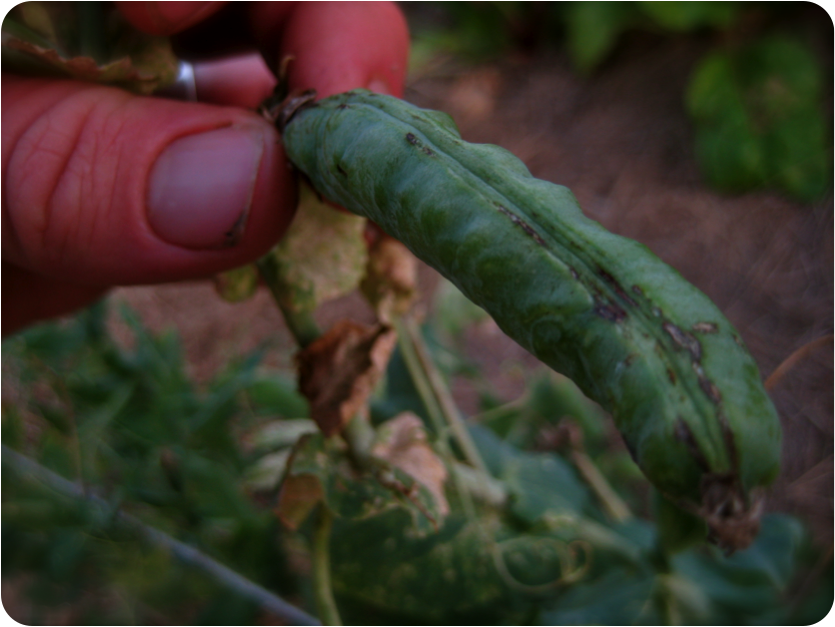
Along with the potato experiment, we are soon-to-be collecting and saving seeds from the flowering broccoli and overripe, wrinkly peas in the garden. This method not only saves us the money from buying seeds next year, but it helps us to learn more about the entire process of growing, and starts us the path to having our own varieties of vegetables….passed down year after year after year. We are working our way towards having a different kind of family heirloom to share with the future Frost generations.
- Hannah.




BLACKBERRY VINTAGE.
As Hannah pointed out last week, we are knee-deep in a fermentation love affair. That, and it's June...so the garden is getting ready to erupt and we can often be found wielding our primitive tools, trying to beat it back. So if we haven't been posting much, it's because we are little overwhelmed and a bit over-zealous, joyfully digging out new projects like we're kids with a toy chest. And then, we noticed, the blackberries were turning.
We made a lot of wine last year. Pawpaw wine, melon wine, wild berry - you name it, we fermented it. Out of all of those projects, however, there was one wine in particular that stood out above the rest. Nearly indistinguishable from grape wine, and just as complex, was the blackberry wine. In the spirit of that, we made a vow to triple, if not quadruple, our production (if that sounds like a lot, know we only made four bottles last year) the next time blackberry season came around. Well, it's around! So Hannah, Wendell and I have been working overtime to keep the farm afloat and get the blackberries a'bubbling. So far so good! The first batch, which we tossed a pint of blueberries into (because we could), smelled oddly meaty but tasted amazing and we just put it into a carboy this morning. The second batch should start fermentation today. The third batch, we'll pick in a few days and the fourth?!––next week, or here's hoping.- Jesse.


THE BUBBLING FARMSTEAD.
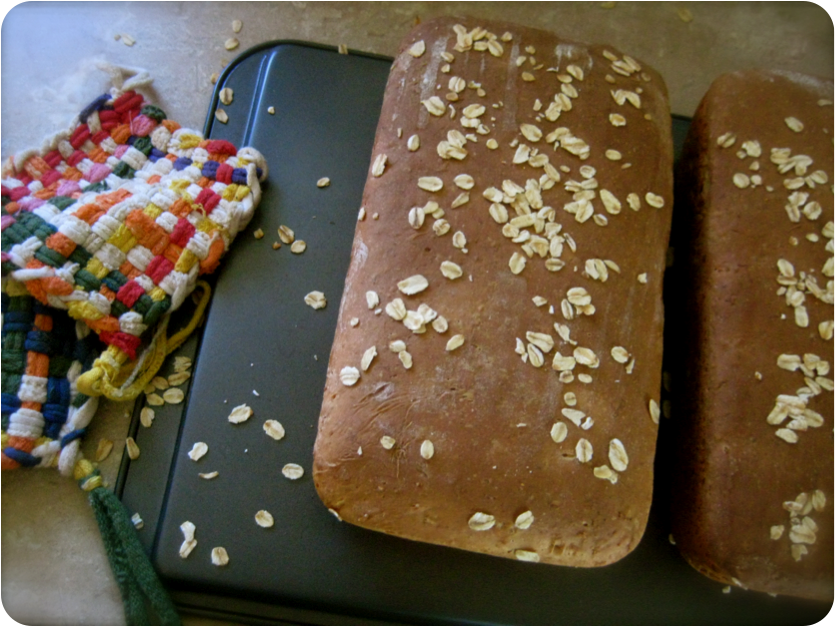
Fermentation has truly taken over our lives - and our kitchen - lately. Jesse has three different wine/beers going….the mulberry, a wild berry, and an oat and honey brew he is experimenting with. I have been trying to spend a full day baking bread each week. We have crocks and mason jars all over the counters, sourdough starters and pickled radishes on top of the fridge, all constantly being stirred and fed and monitored. They become pets of sorts, all needing constant care and nourishment until they are ready to nourish us. We are fueled partly by an attempt to sustain ourselves, partly because of THIS new book, but also out of a curiousity and reverence for this amazing, magical, and ancient practice.



A TRIP TO PORT ROYAL.

Following hand-written maps is the true language of the country. At Bugtussle, where Hannah and I learned to farm, my glovebox was always stuffed full of maps the farmer had drawn for me to get to one obscure place or another. The one we followed for a couple hours yesterday led us to Port Royal (or Port William, if you know where this story's going).When you drop down into the valley, you're suddenly suffocated by a dense, verdant hillside to your left, and a dense, verdant riverbed to your right. It's breathtaking and it just makes sense that the entire landscape would change moments before you arrive at the house of famed agrarian writer and personal hero, Wendell Berry. His wife, Tanya, was outside working in her flower bed when we pulled into the drive and greeted us warmly. Once inside, she called up the stairs for Wendell.This past winter, still unsure of what our farming situation would be for the year, we decided to write Wendell. We needed some advice, some consoling, some encouragement. His writing had always been that for us. In marriage, farming, faith and responsibility, we had always found new perspectives in Wendell's essays and books, perspectives which have given an elegant voice to what we do, how we do it, and why we should. Unsure of what our future held, we decided to once again turn to Wendell and to our (still) unending surprise, he responded enthusiastically. After a few exchanges arrived the map with a note, "I'll expect you on June 10 at 3 o'clock."Whole walls of their house seem to be built with books alone, entire rooms might even be forgotten, buried in literature. When Wendell descended the stairs, a man who we owe a great deal of our lives to, and shook hands with us, the true gravity and power of writing a letter revealed itself.If you don't know who Wendell Berry is, you've probably stopped reading anyway. If you do know who he is and you're familiar with his work, you already know what he sounds like. You can hear his voice in essays and poetry: deep, thoughtful, precise, but with a subtle, elegant Kentucky accent. I'd never heard Wendell speak in public before, but as Hannah pointed out, his voice would have been all that was required to recognize him on the street––it's exactly what he sounds like in his books.At his table with his wonderful wife, we spent the next three hours talking. Sometimes it was about particular vegetables or ways to care for lamb, and sometimes it was more broad––philosophy, religion, art, wine or farming. Sometimes it was just gossip from the town. But among the subjects we included in our original letter, a subject we wished to ask them about, was sustainability. And not sustainability in the general sense, but sustainability in the personal sense, the idea that even if you are doing things ideally––zero-waste, carbon-neutral, self-sufficient––how do you keep from burning out? We'd seen a lot of farmers, and continue to meet a lot of farmers, who reach a point where they're unhappy. Hannah and I want to be sustainable not only literally, but completely, and wondered what advice they might have, and they delivered.It must surely be true what they say, that Mr. Berry is the most quotable man in America. Each sentence was powerful, and we found ourselves struggling to remember each word, each gesture, each inflection, each startling boom of his infectious laugh. It would be hard to recount their advice or everything that was said, and since it wasn't an interview, we feel it's only fair to not misquote them. What can be said of this afternoon, and of their advice, is it carried within it the same themes that can be found flowing through all of Wendell's writing: knowing your place, respecting the land, responsibility, culture, neighbors, community. We left feeling inspired, feeling challenged. We left having met our hero, and he left us feeling confident we were doing the right thing, in the right way, for the right reasons. However, before we end this post, we will leave you with one thing he said, which Hannah so brilliantly made sure to remember: "It takes a long time, and a lot of patience to know where you are. To know what you can do there. I'm still trying to figure that out."What a day.- Jesse.